 TAK Technology
Common-mode choke — EMI filtering
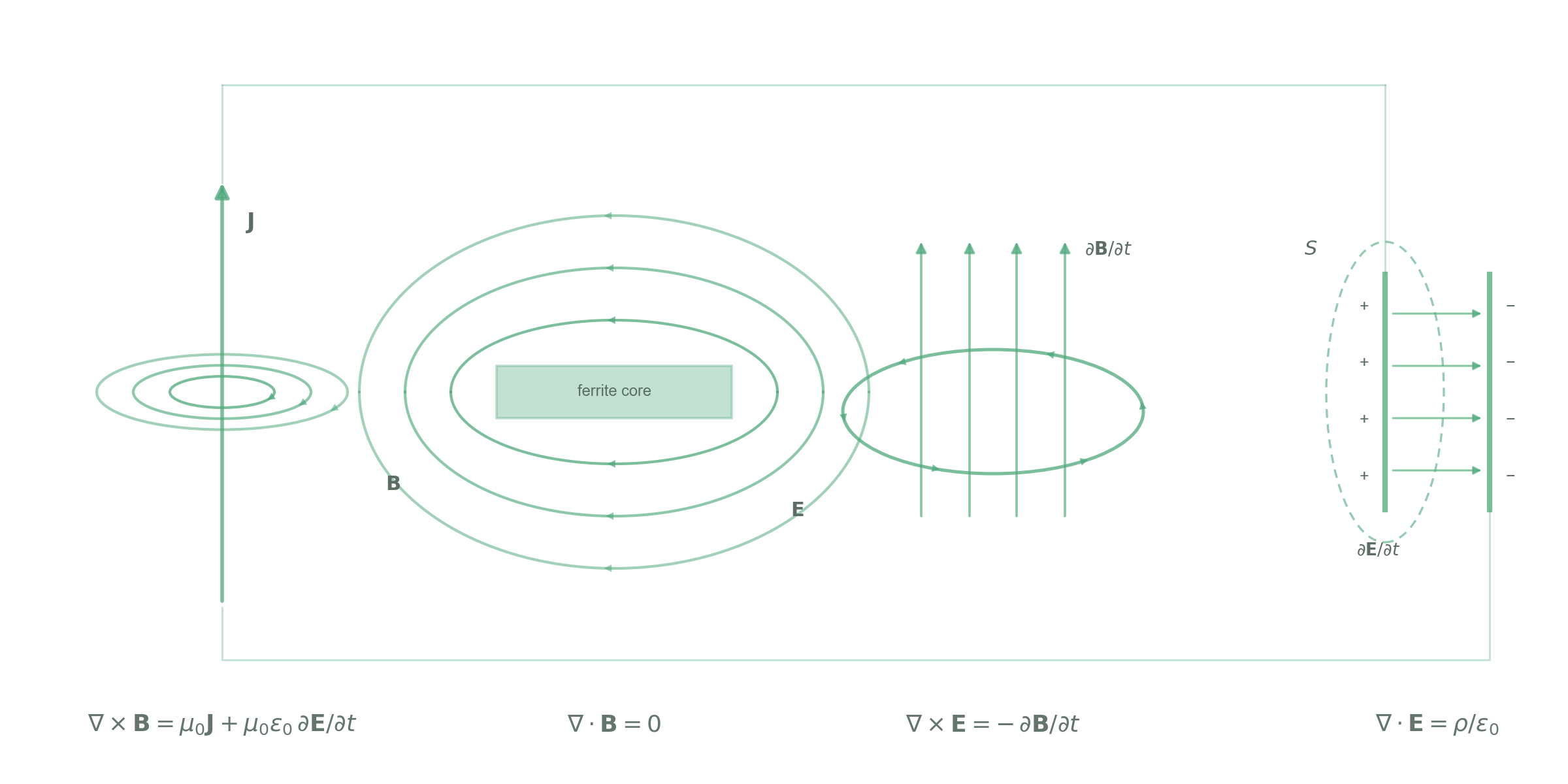
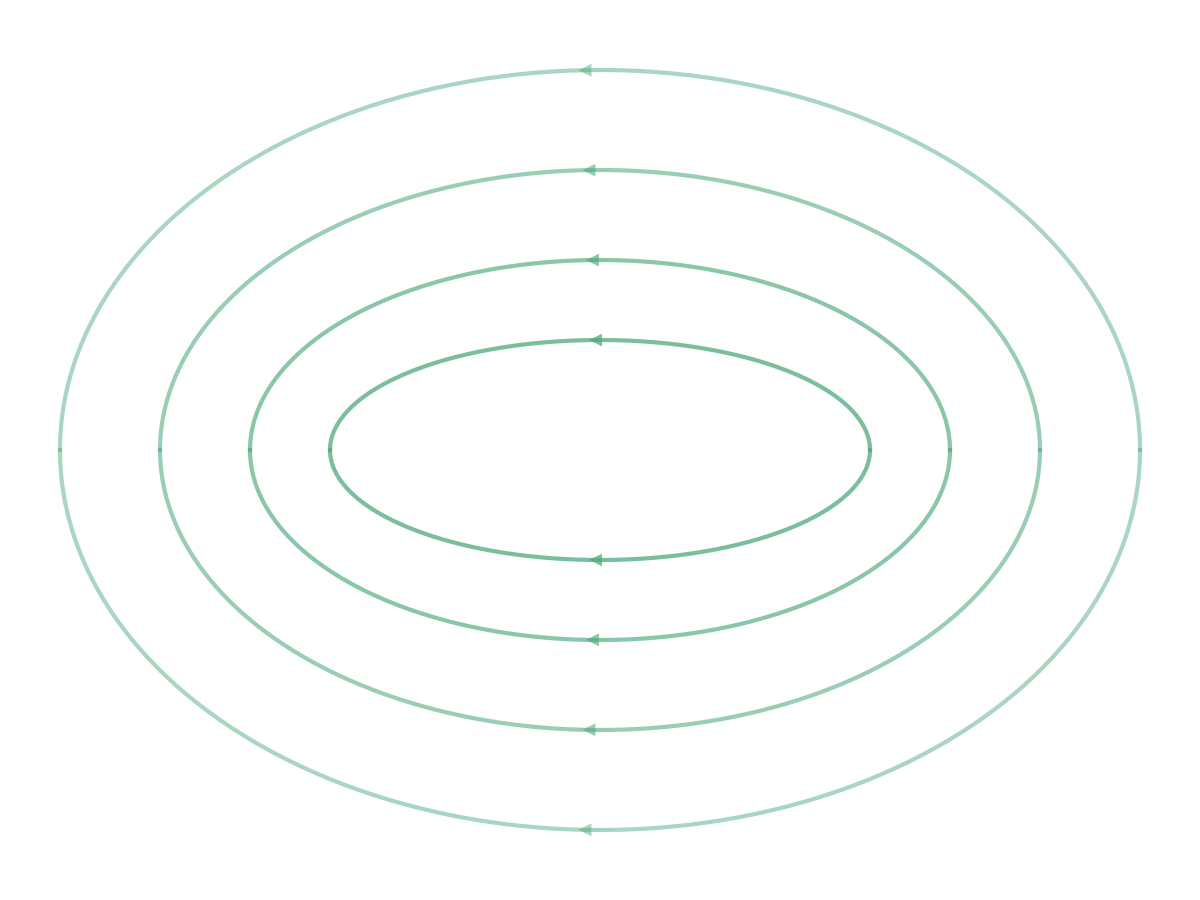
Two windings in the same sense on one core: common-mode flux adds up to a high impedance, while the flux of the differential-mode operating current cancels. Choose the material by impedance vs. frequency.
- L1/L2Common-mode chokeChoose by the impedance peak in the band to be suppressed, not by inductance
Band → material
| Band | First choice | Alternative | Note |
|---|---|---|---|
| ≦2 MHz | T10T12 | T05 | Tc >110 ℃, Bs 210 mT at 100 ℃ — leave margin when hot |
| ≦30 MHz | — | E02 | 2–30 MHz overlap band |
| NiZn 2–30 MHz | L22AL28ASL50SL80 | G5AG5B | |
| NiZn 2–300 MHz | L43L8AL6A | — | Overlaps MnZn at 2–30 MHz; measured RH5 Z still rising at 300 MHz |
2–30 MHz is the MnZn/NiZn overlap band: meet the low-frequency Z first, then keep the high-frequency Z as high as possible. For beads and sleeves see the last page, "EMI band overview".
Suggested shapes
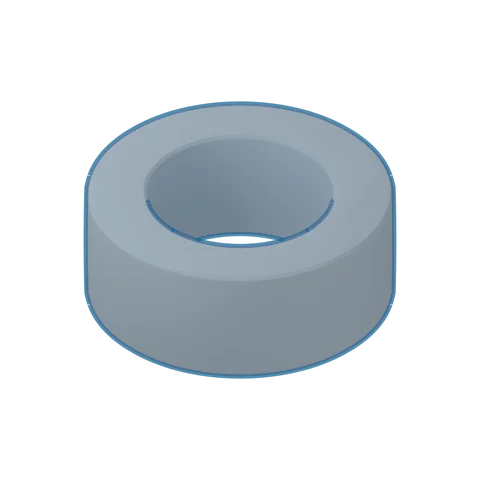 3D · illustrativeToroid TChoose a series ▾
Strengths
- Closed magnetic path without joints or air gap: highest magnetic efficiency
- Good self-shielding, low leakage flux
- Lowest core cost, no bobbin needed
Trade-offs
- Winding must be threaded through the hole; high winding cost
- Less convenient to mount on the PCB
- No air gap; for storage inductors use a combination shape whose gap can be ground
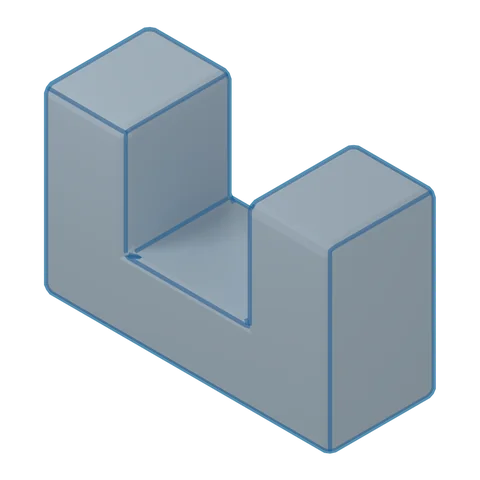 3D · illustrativeUU/UTChoose a series ▾
Strengths
- Large window, easy to wind thick wire
- Suits high-voltage insulation and high power
Trade-offs
- Exposed winding, weak shielding
- Larger volume; mostly for PFC / high voltage / high power
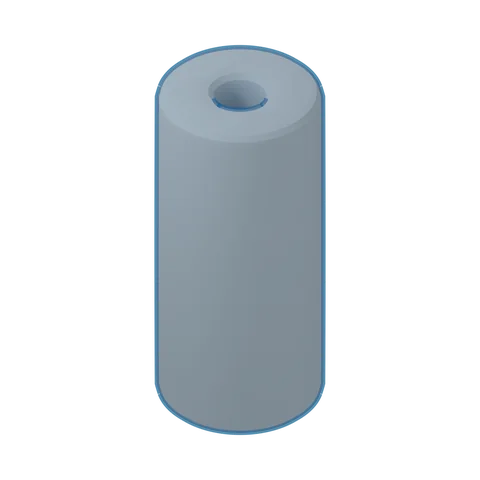 3D · illustrativeRH beadChoose a series ▾
Strengths
- Slips straight over a conductor or lead; no bobbin, simplest to fit
- For EMI suppression on cables/leads
Trade-offs
- Mainly threaded onto a conductor, not used as a wound inductor
- The suppression band depends on the material; choose the grade by band
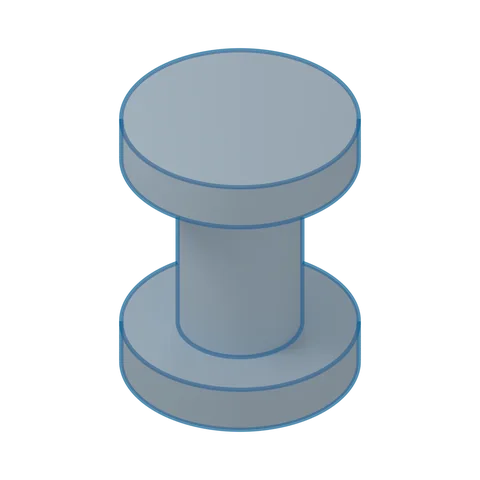 3D · illustrativeDR + plateChoose a series ▾
Strengths
- Open magnetic circuit, withstands DC bias
- Simplest winding
- Can be paired with an SP/SRI shield cap to reduce leakage flux
Trade-offs
- High leakage flux when used alone; watch EMI
- Inductance limited by the open magnetic circuit
Where it goes
AC input filter of every power supply
In-vehicle CAN/Ethernet, high-voltage harness EMI
Power inputs, USB/data cables