 TAK Technology
SL50
WIDE TEMP STABLE MATERIALS
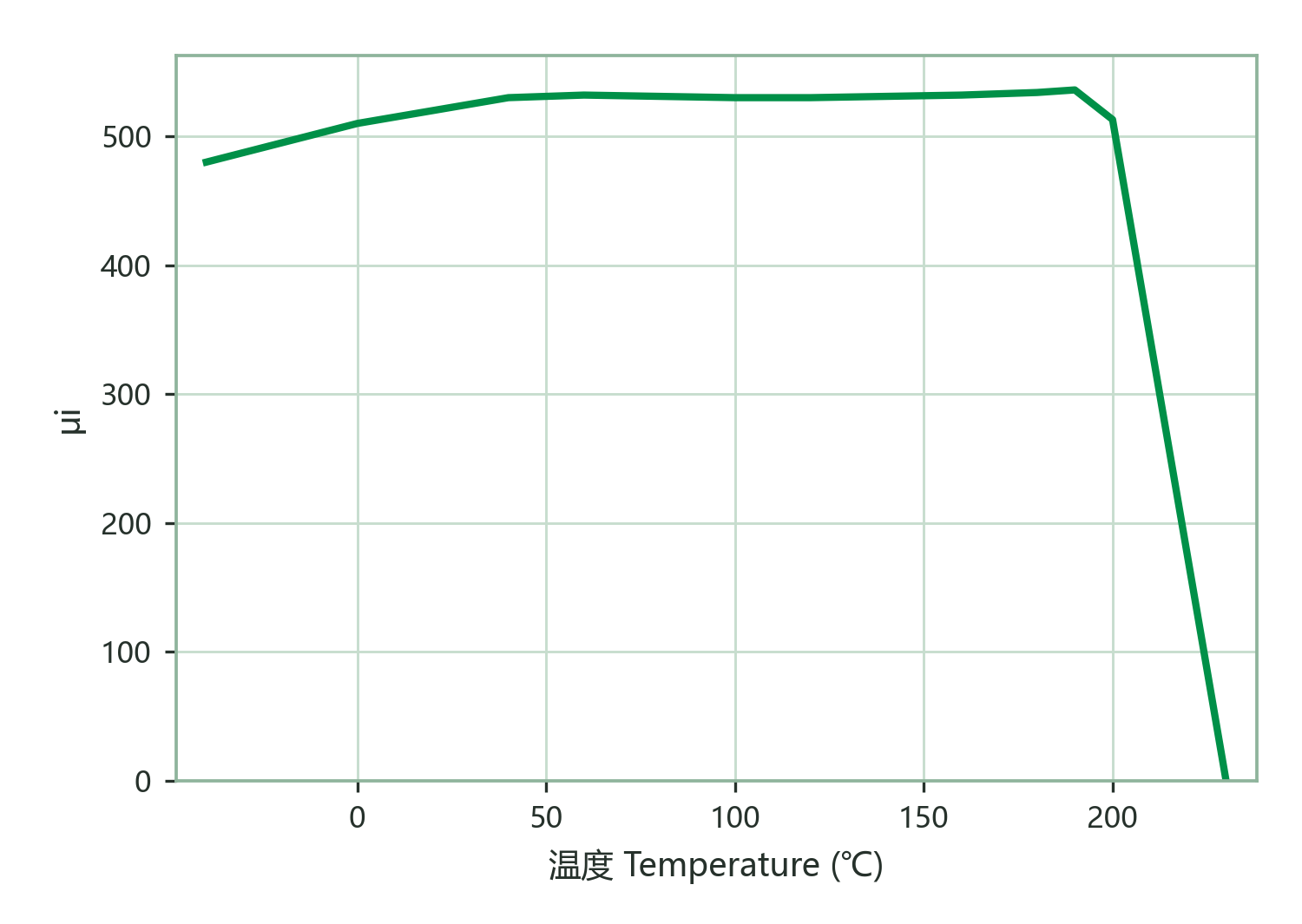
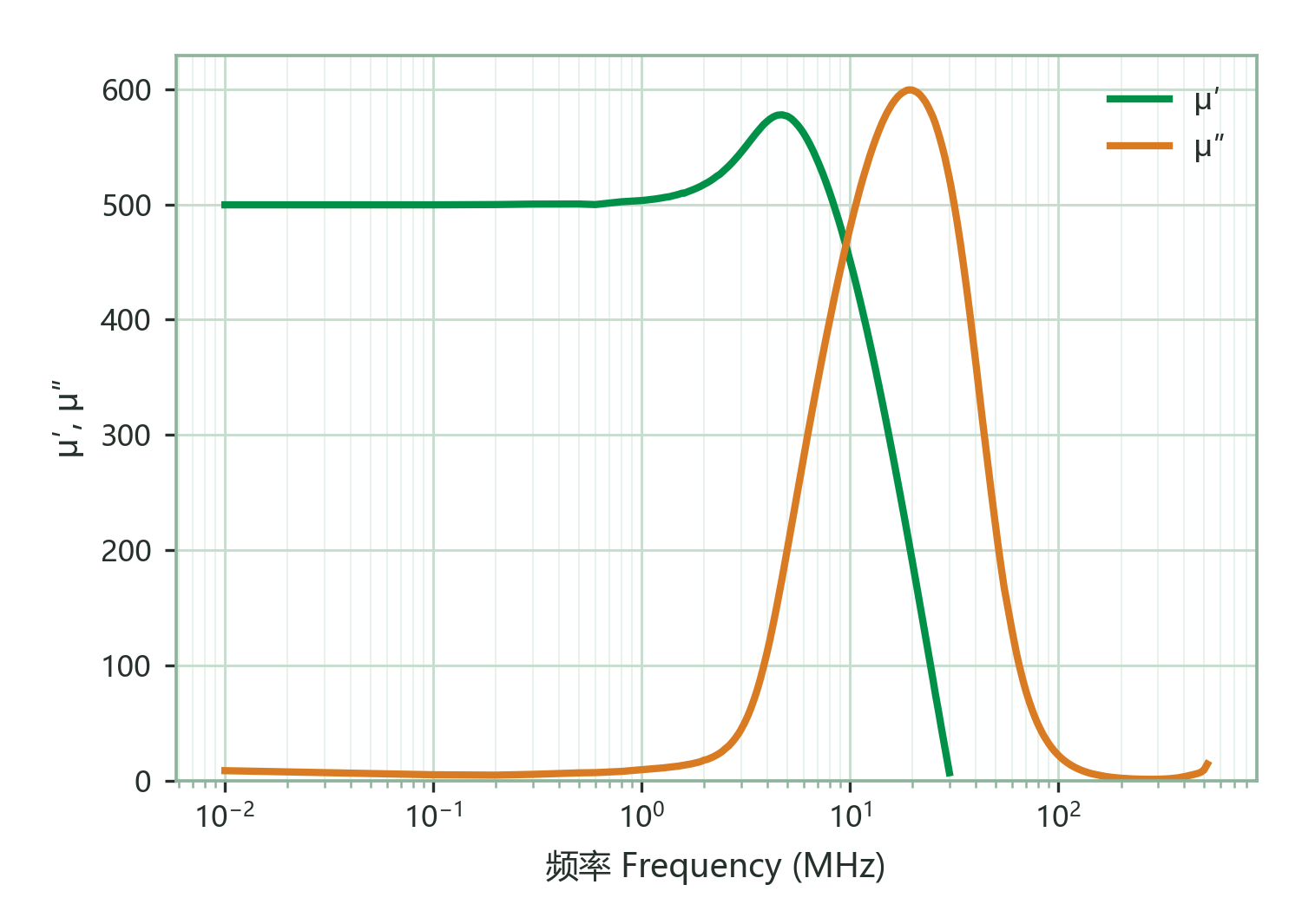
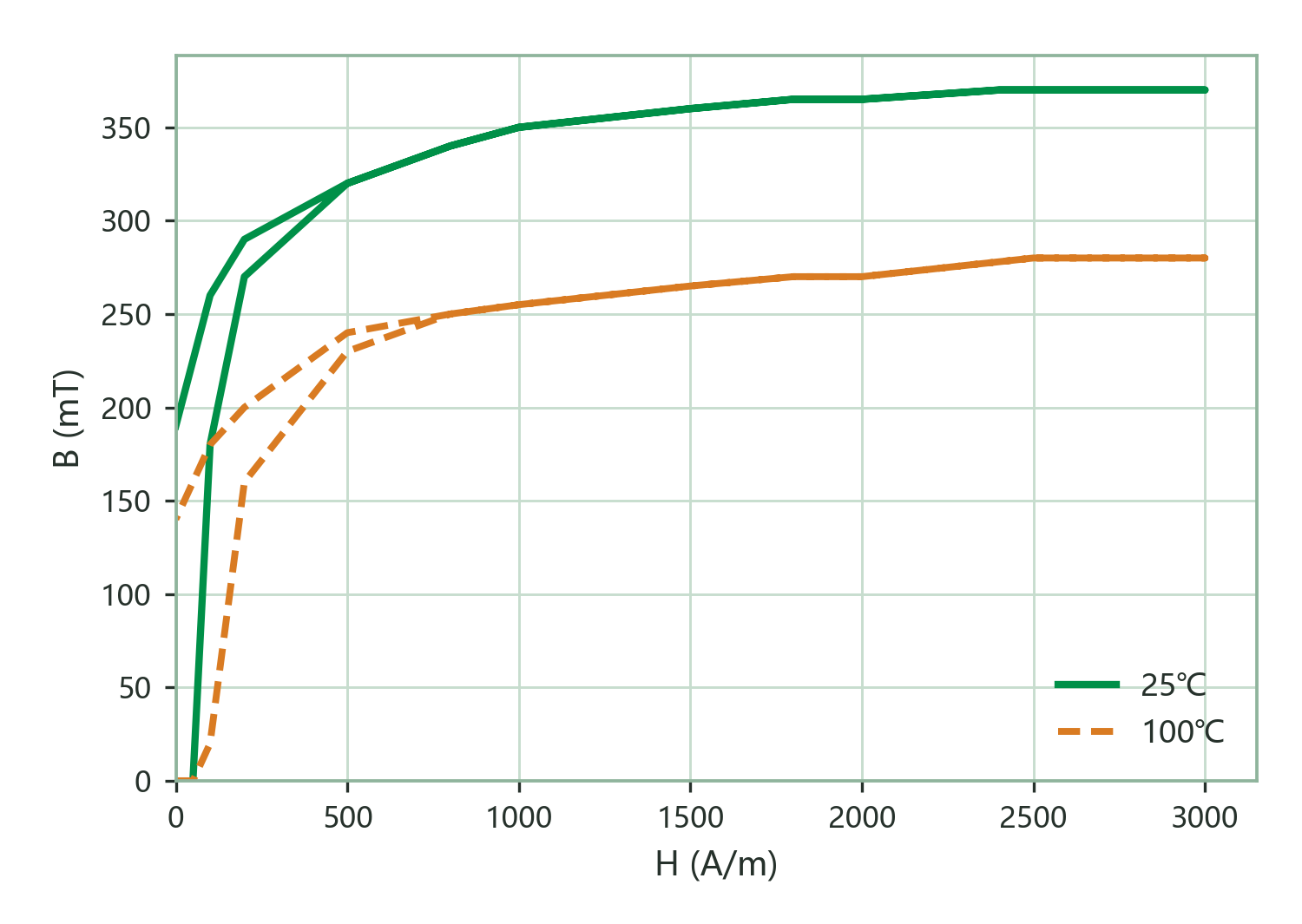
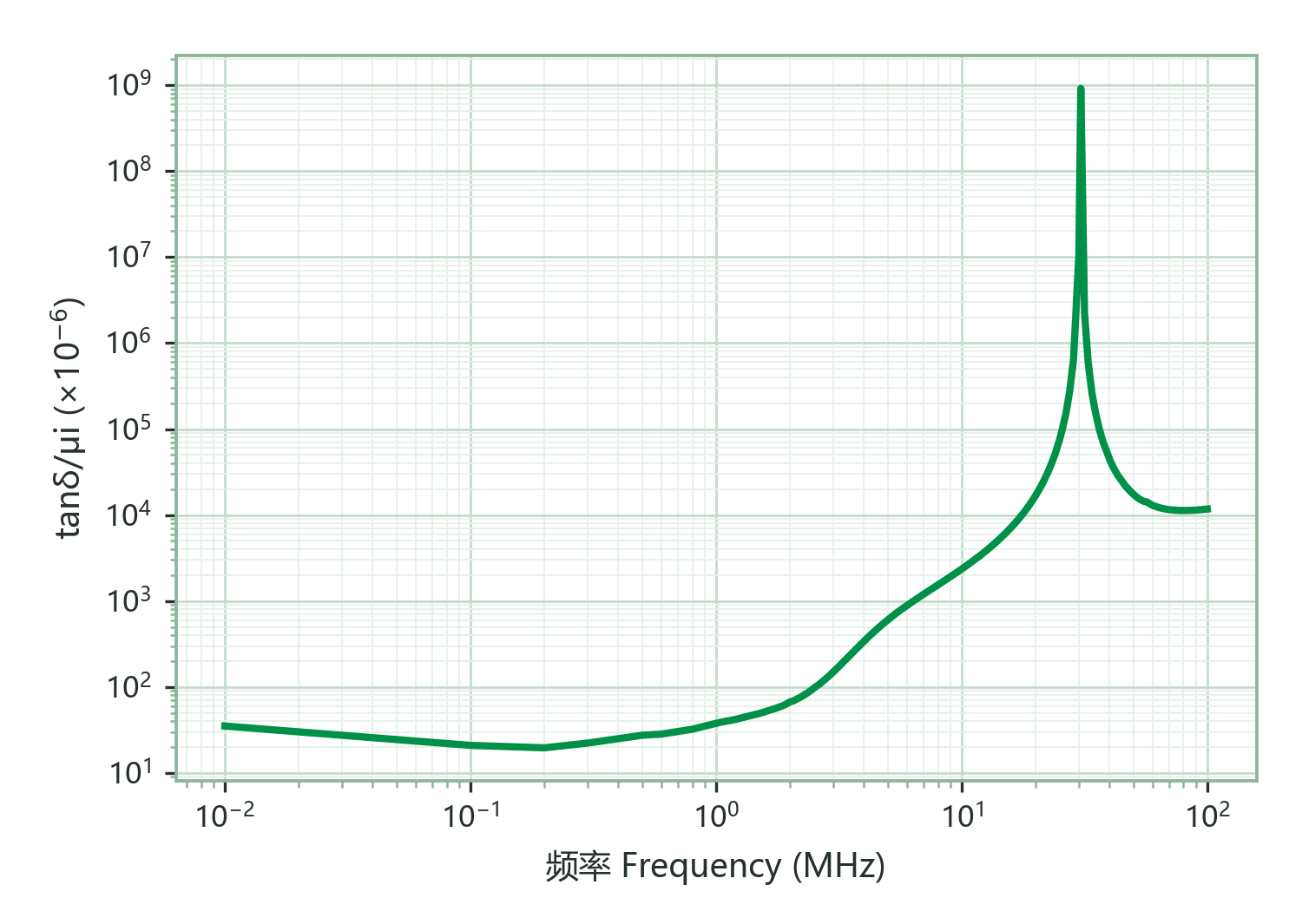
SL50 is a NiZn ferrite with an initial permeability (μi) of approx. 500, a saturation flux density (Bs) of approx. 350 mT at 25 °C (230 mT at 100 °C) and a Curie temperature above 180 °C. Its defining property is temperature stability: the permeability temperature coefficient αμr stays within 0–2×10⁻⁶/K across the full −40 to 140 °C range — essentially flat over the entire automotive temperature span — and with a low loss factor of 18×10⁻⁶ at 0.1 MHz / 35×10⁻⁶ at 1.0 MHz, filter and tuning characteristics do not drift with temperature. In exchange, Bs at 100 °C is only about 230 mT, so the grade is positioned for low-flux and EMI duties rather than power flux. Typical uses are broadband EMI filters, signal-line suppression rings and common-mode chokes, plus RF/IF coils, HF filtering/matching inductors and high-speed data-line beads; it also serves automotive sensors and ADAS, RFID antennas and communication-equipment filters where characteristics must hold across the whole temperature range. Against SL80 (μi approx. 800) of the same wide-temperature family, SL50 offers a lower permeability with a tighter coefficient (0–2 vs 0–4); against the DL family (αμr approx. 20–30×10⁻⁶/K) its drift is an order of magnitude lower — the SL grades are the first choice when temperature-insensitive filtering or resonance is required.
Magnetic Characteristics
| Characteristic | Condition | Value | Unit |
|---|---|---|---|
| μiInitial Permeability | 100 kHz & <0.2 mT | 500±25% | — |
| BsSaturation Flux Density | 3000 A/m · 25 ℃100 Hz | 350 | mT |
| BsSaturation Flux Density | 3000 A/m · 100 ℃100 Hz | 230 | mT |
| BrRemanence | 3000 A/m · 25 ℃100 Hz | 180 | mT |
| BrRemanence | 3000 A/m · 100 ℃100 Hz | 110 | mT |
| HcCoercivity | 3000 A/m · 25 ℃100 Hz | 100 | A/m |
| HcCoercivity | 3000 A/m · 100 ℃100 Hz | 80 | A/m |
| αμrTemperature coefficient of permeability | -40~140 ℃ | 0~2 | ×10⁻⁶/K |
| tanδ/μiRelative Loss Factor | 0.1 MHz & <0.2 mT | 18 | ×10⁻⁶ |
| tanδ/μiRelative Loss Factor | 1.0 MHz & <0.2 mT | 35 | ×10⁻⁶ |
| TcCurie Temp. | 100 kHz & <0.2 mT | >180 | ℃ |
| DDensity | Archimedes method | 5.0 | g/cm³ |
| ρVolume Resistivity | DC Current | 10⁷ | Ω·m |
| PcvPower Loss | 100 kHz/100 mT|500 kHz/30 mT|1 MHz/30 mT · 25 °C | 994|254|652 | kW/m³ |
Characteristic curves
Applications
| Application | Role | Band | Temperature |
|---|---|---|---|
| Temperature-stable filter / tuning inductor (low αμr) | First choice | ≤1 MHz | — |
| Common-mode choke / mains EMI filter | First choice | 2–30 MHz | — |
| EMI bead / ring / cable sleeve | First choice | 2–30 MHz | — |