 TAK Technology
SL80
WIDE TEMP STABLE MATERIALS
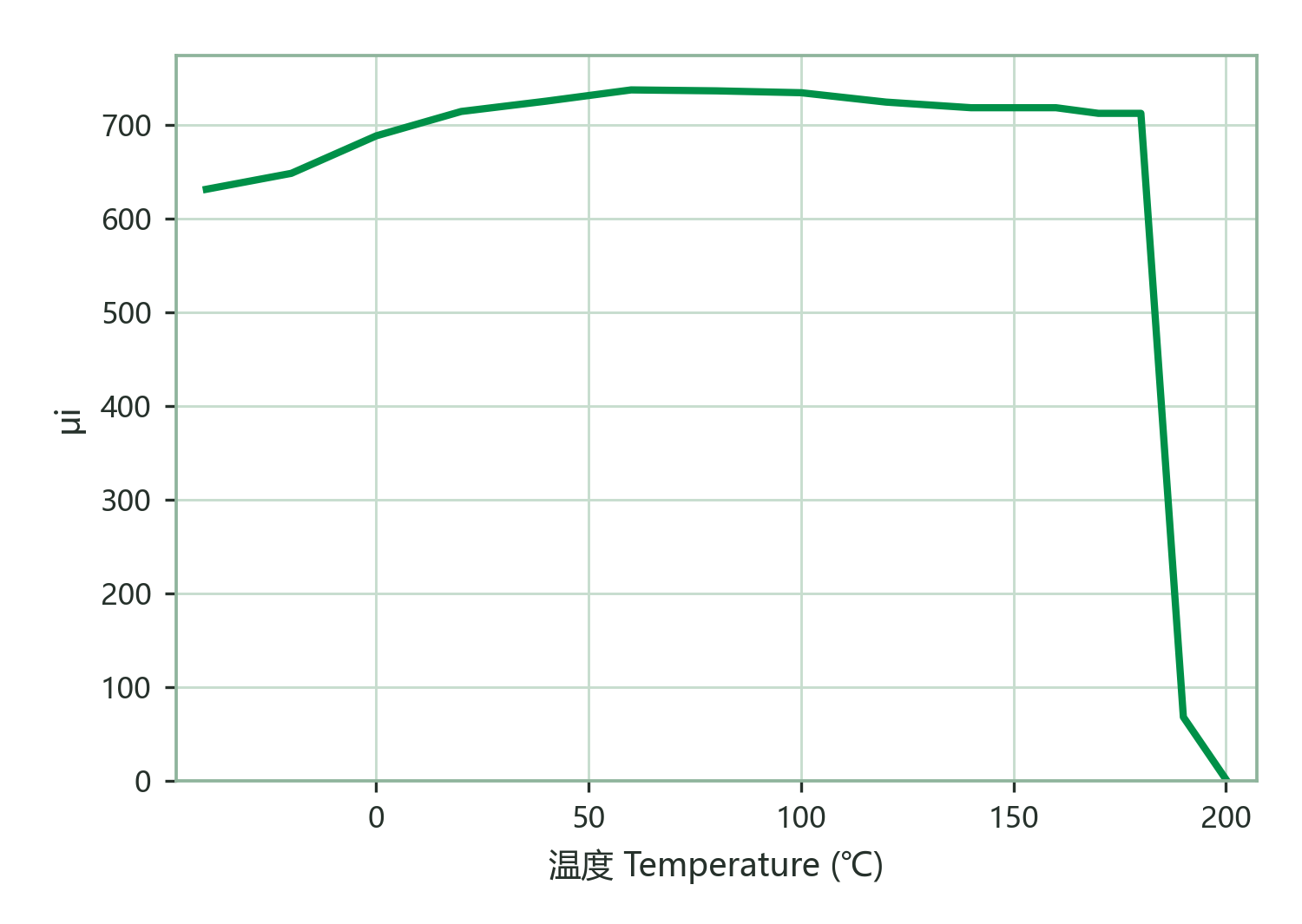
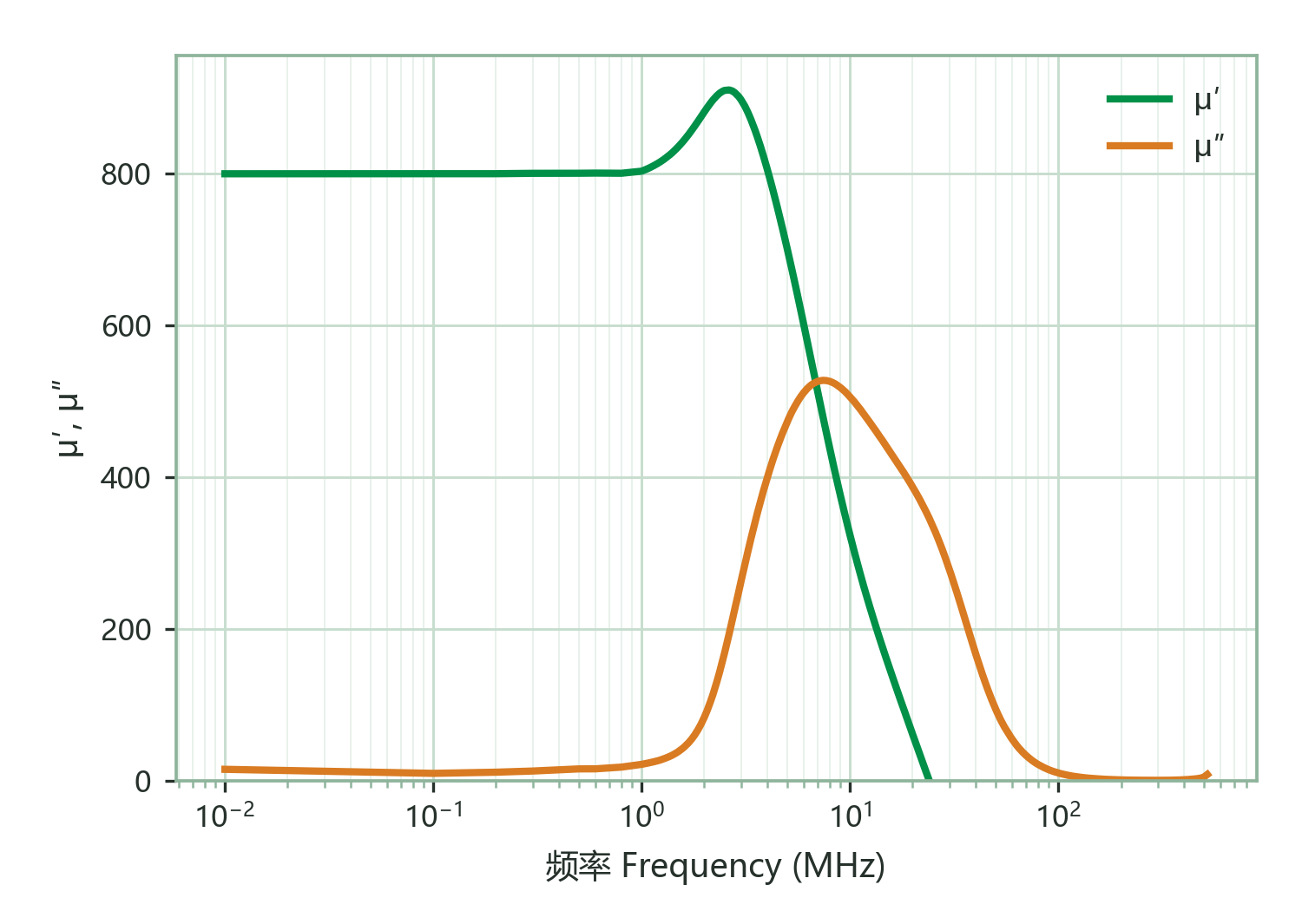
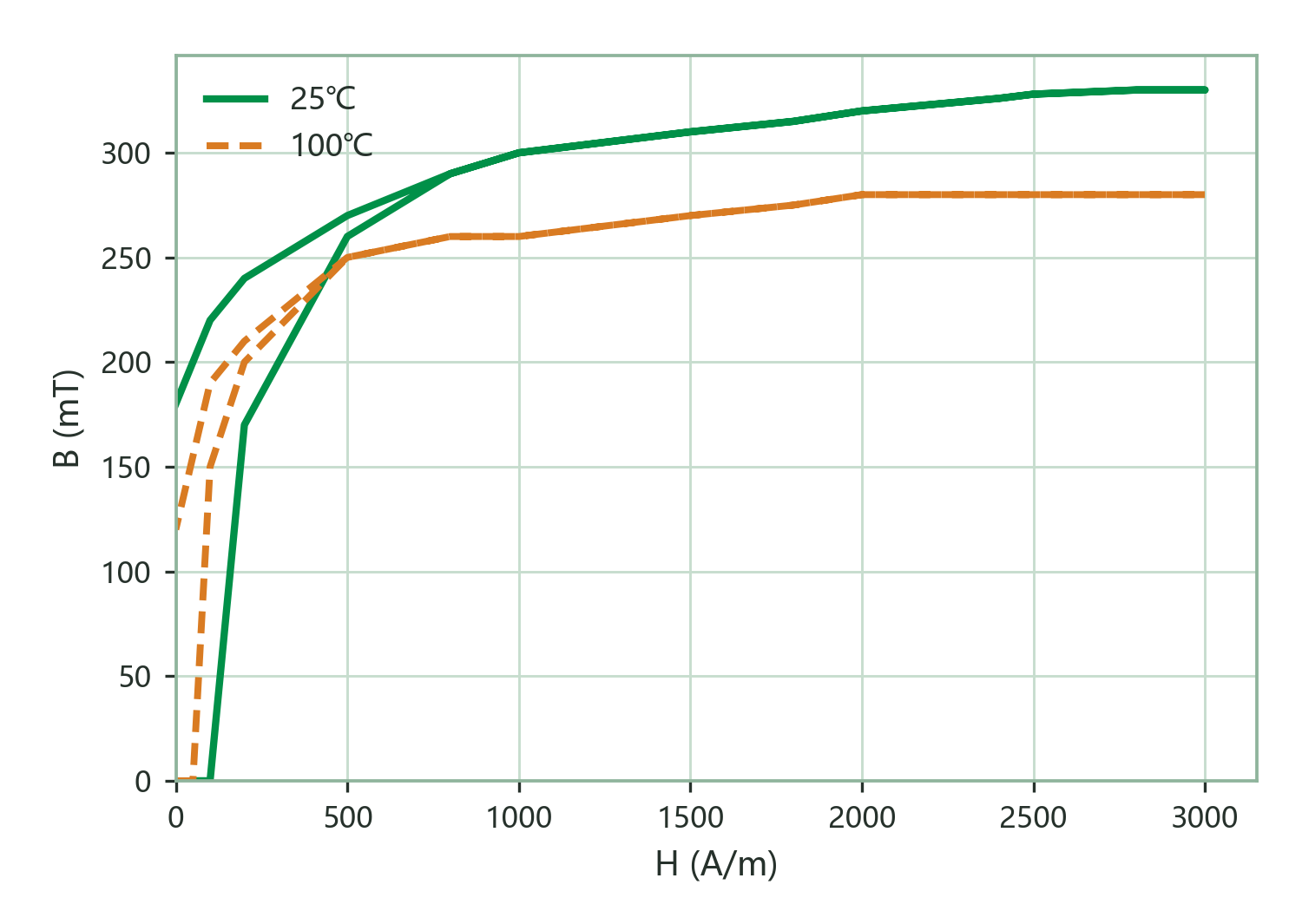
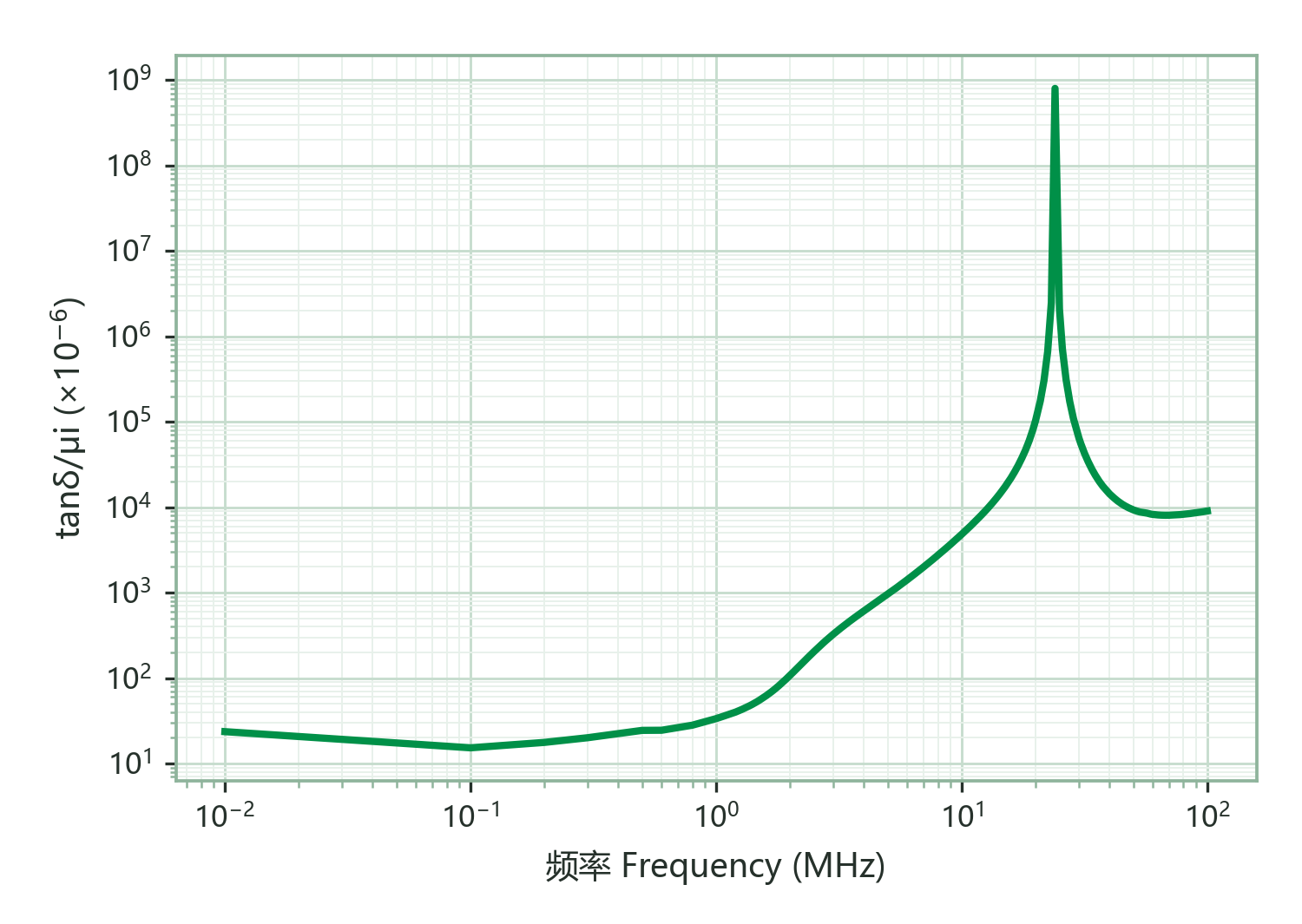
SL80 is a NiZn ferrite with an initial permeability (μi) of approx. 800, a saturation flux density (Bs) of approx. 350 mT at 25 °C (260 mT at 100 °C) and a Curie temperature above 170 °C. It is the high-permeability member of the wide-temperature-stable family: the temperature coefficient αμr stays within 0–4×10⁻⁶/K across −40 to 140 °C, keeping permeability essentially flat over the whole range, and with a relative loss factor of 15×10⁻⁶ at 0.1 MHz / 30×10⁻⁶ at 1.0 MHz the filtering and impedance characteristics do not drift with temperature. The higher μi delivers more inductance and impedance per turn in toroids and other closed magnetic circuits, reaching filtering targets with fewer turns. Typical uses are EMI filters, common-mode chokes and signal-line suppression rings, plus RF/IF coils and HF small-current inductors; it also serves automotive sensors and ADAS, RFID antennas, wireless charging and communication-equipment filters where characteristics must hold across the full temperature range. Against SL50 (μi approx. 500, αμr 0–2), SL80 trades a slightly wider temperature coefficient for roughly 60 % more nominal permeability. TAK offers three grades at a nominal μi of approx. 800 — SL80, G5A and L43 — with similar frequency reach; split by need: SL80 for the lowest drift across temperature, G5A (Bs approx. 400 mT) for differential-mode/power current capability, and L43 for broadband EMI suppression.
Magnetic Characteristics
| Characteristic | Condition | Value | Unit |
|---|---|---|---|
| μiInitial Permeability | 100 kHz & <0.2 mT | 800±25% | — |
| BsSaturation Flux Density | 3000 A/m · 25 ℃100 Hz | 350 | mT |
| BsSaturation Flux Density | 3000 A/m · 100 ℃100 Hz | 260 | mT |
| BrRemanence | 3000 A/m · 25 ℃100 Hz | 190 | mT |
| BrRemanence | 3000 A/m · 100 ℃100 Hz | 109 | mT |
| HcCoercivity | 3000 A/m · 25 ℃100 Hz | 50.5 | A/m |
| HcCoercivity | 3000 A/m · 100 ℃100 Hz | 44.5 | A/m |
| αμrTemperature coefficient of permeability | -40~140 ℃ | 0~4 | ×10⁻⁶/K |
| tanδ/μiRelative Loss Factor | 0.1 MHz & <0.2 mT | 15 | ×10⁻⁶ |
| tanδ/μiRelative Loss Factor | 1.0 MHz & <0.2 mT | 30 | ×10⁻⁶ |
| TcCurie Temp. | 100 kHz & <0.2 mT | >170 | ℃ |
| DDensity | Archimedes method | 5.0 | g/cm³ |
| ρVolume Resistivity | DC Current | 10⁷ | Ω·m |
| PcvPower Loss | 100 kHz/100 mT|500 kHz/30 mT|1 MHz/30 mT · 25 °C | 630|189|593 | kW/m³ |
Characteristic curves
Applications
| Application | Role | Band | Temperature |
|---|---|---|---|
| Temperature-stable filter / tuning inductor (low αμr) | First choice | ≤0.8 MHz | — |
| Common-mode choke / mains EMI filter | First choice | 2–30 MHz | — |
| EMI bead / ring / cable sleeve | First choice | 2–30 MHz | — |