 TAK Technology
DL5H
HIGH FLUX & THERMAL SHOCK RESISTANT FERRITE
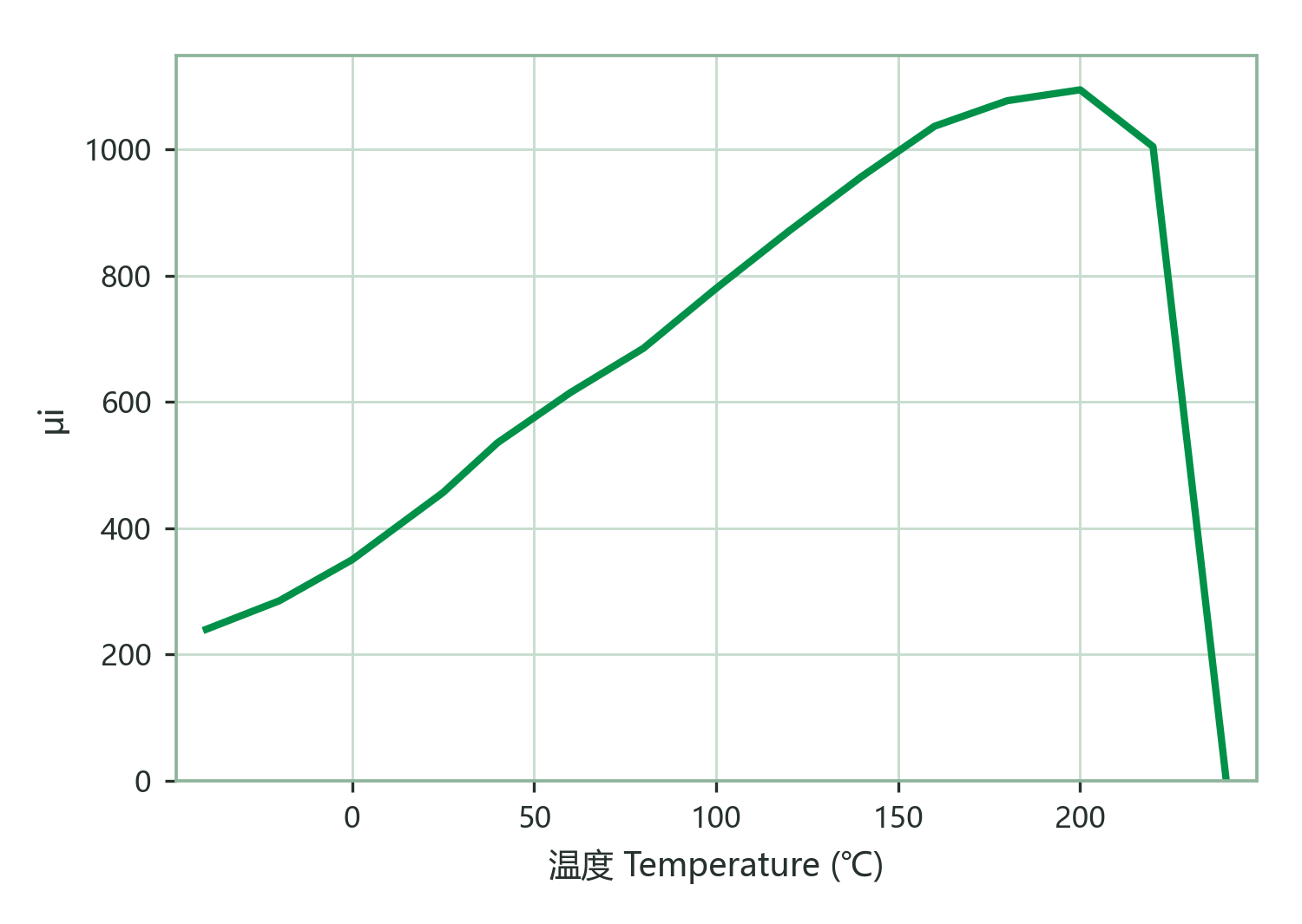
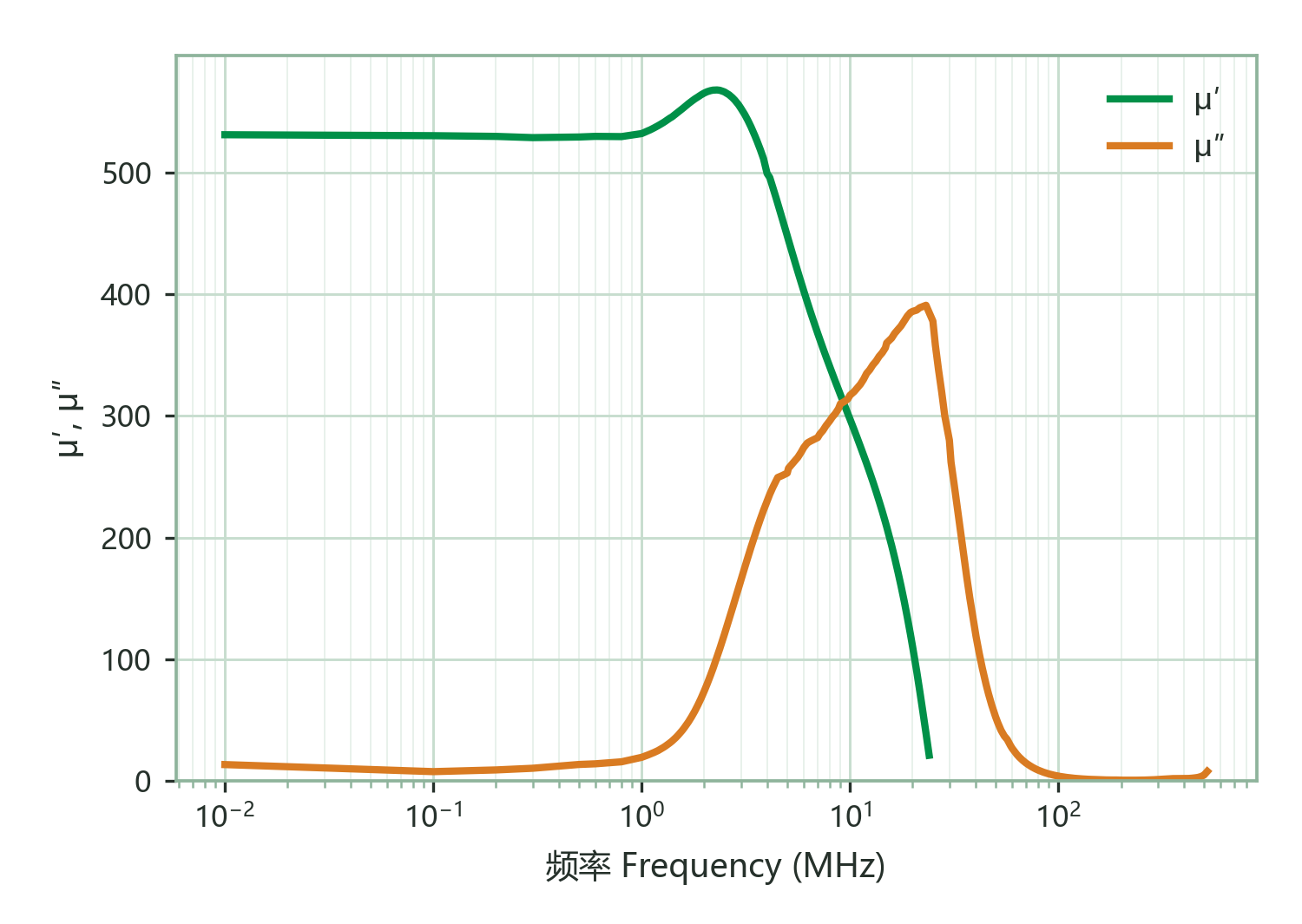
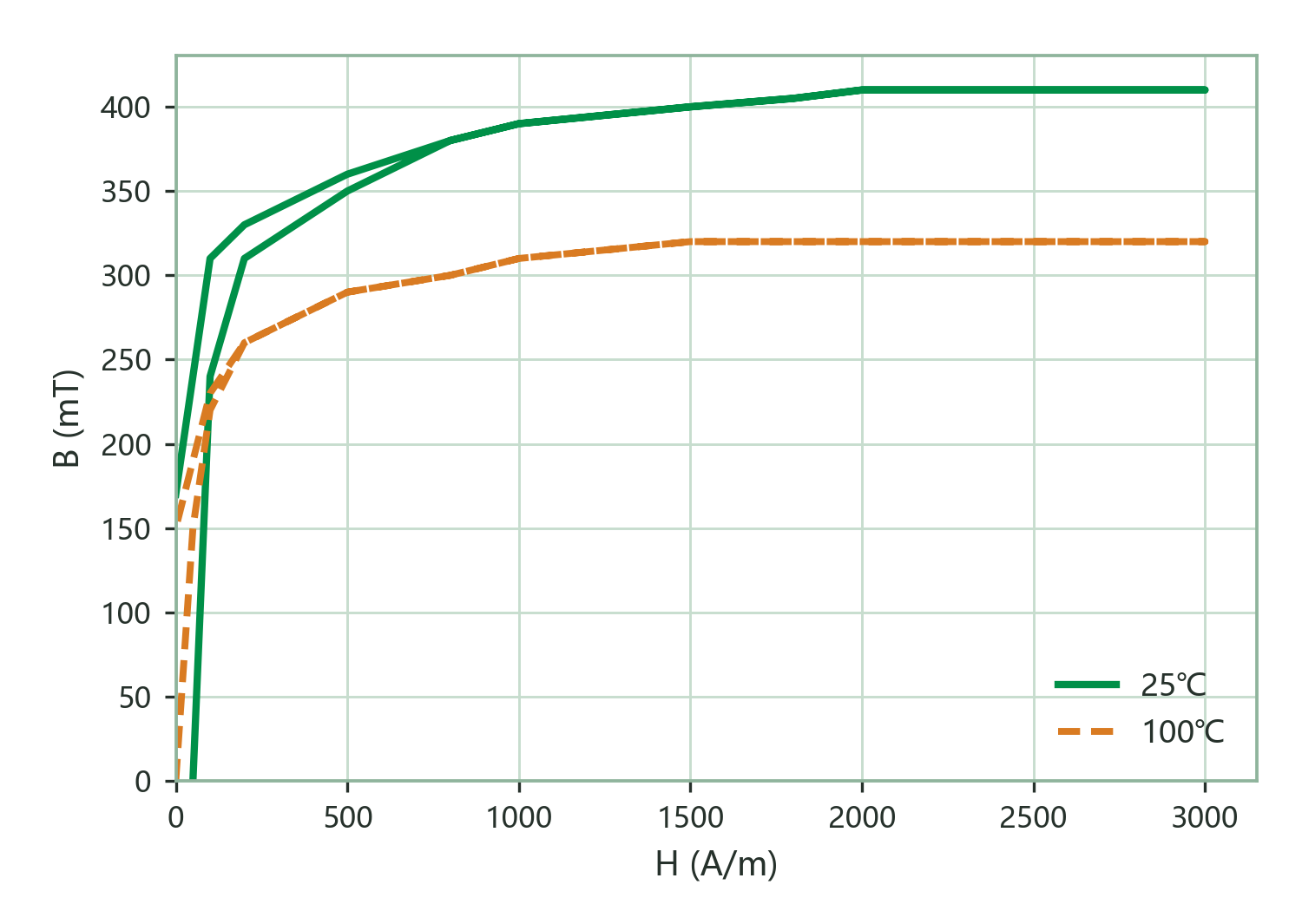
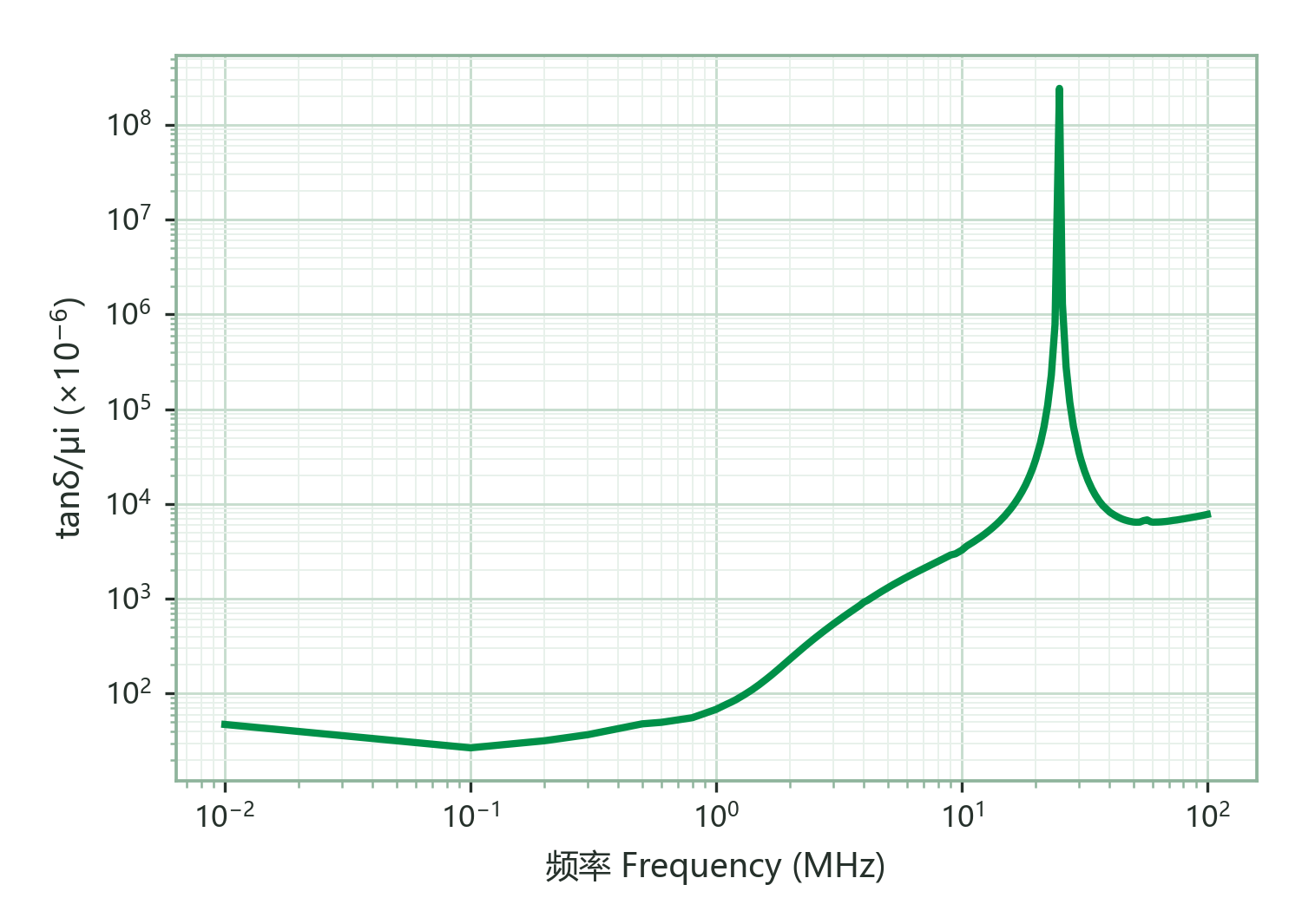
DL5H is a NiZn ferrite with an initial permeability (μi) of approx. 530, a saturation flux density (Bs) of approx. 400 mT at 25 °C (305 mT at 100 °C) and a Curie temperature above 200 °C. It pushes permeability to the top of the DL power side while holding a 400 mT-class flux density: the higher μi raises the inductance per turn — in toroids and other closed magnetic circuits this directly cuts the turns needed for a given inductance, saving copper loss and winding volume — while the low coercivity (Hc approx. 22 A/m) keeps hysteresis loss small. With the loss factor reaching 80×10⁻⁶ at 1.0 MHz, its useful band sits somewhat lower than DL5's. Excellent thermal-shock resistance and solderability withstand rapid thermal cycling and high-temperature reflow. Typical uses are high-power wideband inductors, EMI filters and common-mode chokes, especially SMD power modules and industrial/automotive power designs where inductance density matters. Within the DL family, DL5H is the high-permeability × high-flux compromise: over DL5 (μi approx. 400, Bs 420 mT, Tc >240 °C) it offers roughly 30 % higher nominal permeability at the cost of a lower temperature ceiling and less flux at 100 °C — prefer DL5/DL6 for sustained hot operation, DL5H when inductance and size lead under normal-to-warm conditions.
Magnetic Characteristics
| Characteristic | Condition | Value | Unit |
|---|---|---|---|
| μiInitial Permeability | 100 kHz & <0.2 mT | 530±25% | — |
| BsSaturation Flux Density | 3000 A/m · 25 ℃100 Hz | 400 | mT |
| BsSaturation Flux Density | 3000 A/m · 100 ℃100 Hz | 305 | mT |
| BrRemanence | 3000 A/m · 25 ℃100 Hz | 180 | mT |
| BrRemanence | 3000 A/m · 100 ℃100 Hz | 100 | mT |
| HcCoercivity | 3000 A/m · 25 ℃100 Hz | 22 | A/m |
| HcCoercivity | 3000 A/m · 100 ℃100 Hz | 16 | A/m |
| αμrTemperature coefficient of permeability | 20~60 ℃ | 20 | ×10⁻⁶/K |
| tanδ/μiRelative Loss Factor | 0.1 MHz & <0.2 mT | 35 | ×10⁻⁶ |
| tanδ/μiRelative Loss Factor | 1.0 MHz & <0.2 mT | 80 | ×10⁻⁶ |
| TcCurie Temp. | 100 kHz & <0.2 mT | >200 | ℃ |
| DDensity | Archimedes method | 5.1 | g/cm³ |
| ρVolume Resistivity | DC Current | 10⁷ | Ω·m |
| PcvPower Loss | 100 kHz/100 mT|500 kHz/30 mT|1 MHz/30 mT · 25 °C | 609|528|1484 | kW/m³ |
Characteristic curves
Applications
| Application | Role | Band | Temperature |
|---|---|---|---|
| SMD HF low-power inductor (mA level) | First choice | ≤3 MHz | — |